SEO Meta Description: Sri Lankan Heritage and Culture revealed—discover 10 powerful ways to explore authentic village life, traditions, food, festivals, and crafts beyond the beaches.
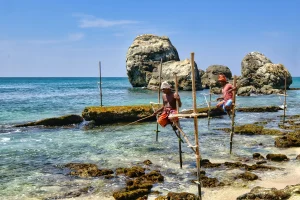
When most travelers think of Sri Lankan Heritage and Culture, they picture golden beaches, palm trees, and rolling surf. And yes, the coastline is stunning. But here’s the truth: the real soul of Sri Lanka lies beyond the sunbeds and seaside cafés.
Just a few kilometres inland, life slows down. Paddy fields shimmer under the morning light. Temple bells echo at dawn. Grandmothers prepare rice on wood-fired stoves. Fishermen mend their nets beside cinnamon gardens. Rural communities still move to rhythms shaped by Buddhism, Hinduism, farming cycles, and strong family ties.
If you truly want to understand the island, you must go beyond the beach.
Let’s explore how.
1. Traditional Southern Village Life
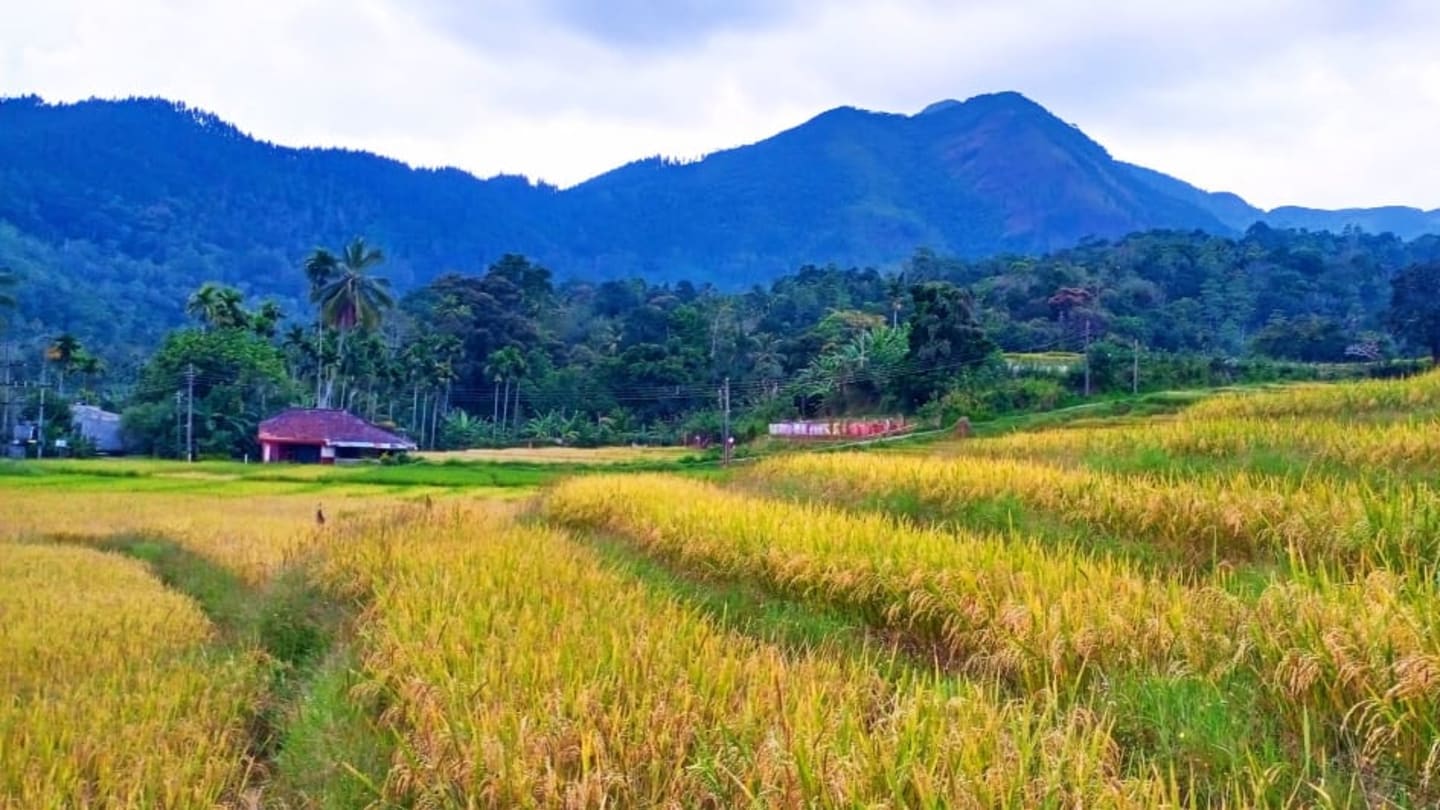


In the southern districts around Galle, Matara, Weligama, and Hambantota, daily life still follows the sun, the school bell, and the temple drum.
Agriculture and Fishing as a Way of Life
Most rural families combine farming and fishing:
- Rice paddies stretch across lowlands.
- Coconut, cinnamon, and spice gardens surround homes.
- Small vegetable plots often grow fully organic produce.
- Coastal villagers fish at dawn and farm inland later in the day.
Work is physical, seasonal, and community-based. During harvest, neighbours share tools and labour. When someone faces hardship, the village steps in. It’s not just cooperation—it’s a way of survival.
The “Wewa – Gamai – Pansalai” Mindset
Historically, villages were organised around:
- Wewa – the irrigation tank
- Gamaya – the village settlement
- Pansala – the temple
Even today, you’ll see similar patterns: a water source, clustered homes, and a small Buddhist temple serving as both spiritual and social centre.
For visitors, this means one thing: slow down.
Walk instead of driving everywhere. Sit in a small tea shop (kade). Watch daily life unfold. You’ll discover that simplicity, reciprocity, and shared time matter more than speed or efficiency.
2. Cultural Practices & Customs to Know




Understanding local customs transforms your experience from tourist to respectful guest.
Dress and Modesty
In villages and small towns:
- Cover shoulders and knees.
- Avoid very short shorts or transparent clothing.
- Keep public displays of affection low-key.
Modesty isn’t about restriction—it’s about respect.
Hands, Feet, and Body Language
- Use your right hand (or both hands) when giving or receiving money or food.
- Avoid pointing your feet toward people or religious objects.
- Don’t touch adults on the head.
Small gestures matter deeply here.
Home Etiquette
If invited into a home:
- Remove your shoes at the door.
- Accept at least a small drink or snack.
- Thank your host warmly.
And always ask before photographing people—especially children or farmers at work. People are not props for social media.
3. Meeting Locals: Meaningful Interactions
Sri Lankans are warm and curious, especially toward guests.
Common Greetings
- Ayubowan – traditional greeting with palms together.
- Kohomada? – “How are you?”
- Tamil communities often say Vanakkam.
Safe Conversation Topics
- Food
- Cricket
- Family
- Weather
- Your impressions of the country
Avoid sensitive political topics unless locals initiate the discussion.
How to Deepen the Experience
- Ask about crops or fishing seasons.
- Buy from small vendors.
- Bring a small gift (fruit or sweets) if visiting a home.
Connection grows through curiosity and humility.
4. Traditional Crafts: Lace, Masks & Batik
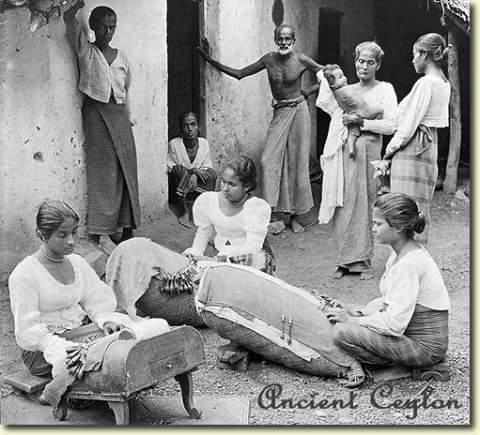


Southern Sri Lanka is a craft heartland.
Beeralu (Bobbin) Lace
Introduced during Portuguese times, beeralu lace is now strongly associated with the south.
- Made with wooden bobbins.
- Used in sarees, bridal wear, and tablecloths.
- Often passed from mother to daughter.
Each piece can take hours—sometimes days. Paying fair prices keeps this tradition alive.
Mask Carving in Ambalangoda
Ambalangoda is famous for wooden masks used in folk theatre and healing rituals.
Visit the Ariyapala Mask Museum to see carving in action. Masks represent demons, animals, and protective spirits—each with symbolic meaning.
Ask artisans about the stories behind the designs. That conversation makes the souvenir unforgettable.
Batik Art
Inspired by Indonesian methods but uniquely Sri Lankan:
- Wax is applied to cotton or silk.
- Fabric is dyed in stages.
- Bold colours reflect nature and mythology.
Choose family-run studios rather than mass-produced market items.
5. Sri Lankan Hospitality & Homestays


Hospitality here is heartfelt. Guests are treated almost like family.
What Is a Homestay?
A registered homestay usually has 1–4 guest rooms within a family home. You share meals, stories, and sometimes daily activities.
Why Choose One?
- Direct exposure to authentic cuisine.
- Income goes straight to families.
- Opportunities to join temple visits or cooking sessions.
There are over 1,000 registered homestays nationwide. They are vital sources of rural income.
Treat your hosts as partners—not hotel staff. This is their home.
6. Food Culture & Cooking Experiences

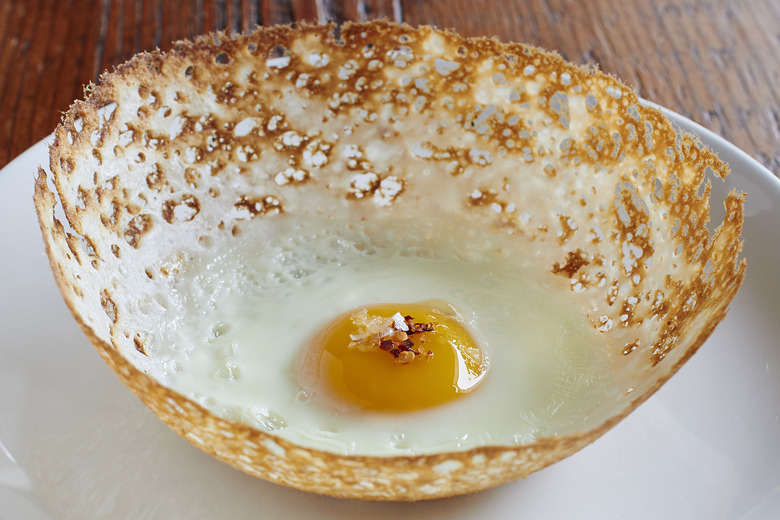


Food is one of the richest windows into Sri Lankan Heritage and Culture.
Core Elements
- Rice and curry with multiple side dishes
- Coconut milk, grated coconut, and coconut oil
- Spices like cinnamon, turmeric, cloves, curry leaves
Southern Specialties
- Fresh seafood curries
- Hoppers (appa), especially egg hoppers
- Kottu roti
- Festival sweets like kiribath and kavum
Join a home cooking class. Visit the local market. Cook on a clay stove. Ask for village dishes like jackfruit curry or kola kenda.
And always ask about spice levels—it can get fiery!
7. Religious Sites & Proper Behaviour


Religion shapes daily life.
Temple Guidelines
- Cover shoulders and knees.
- Remove shoes and hats.
- Keep voices low.
- Walk clockwise around stupas.
Never pose with your back to a Buddha statue.
Small village temples are deeply respected—treat them accordingly.
8. Festivals & Cultural Celebrations


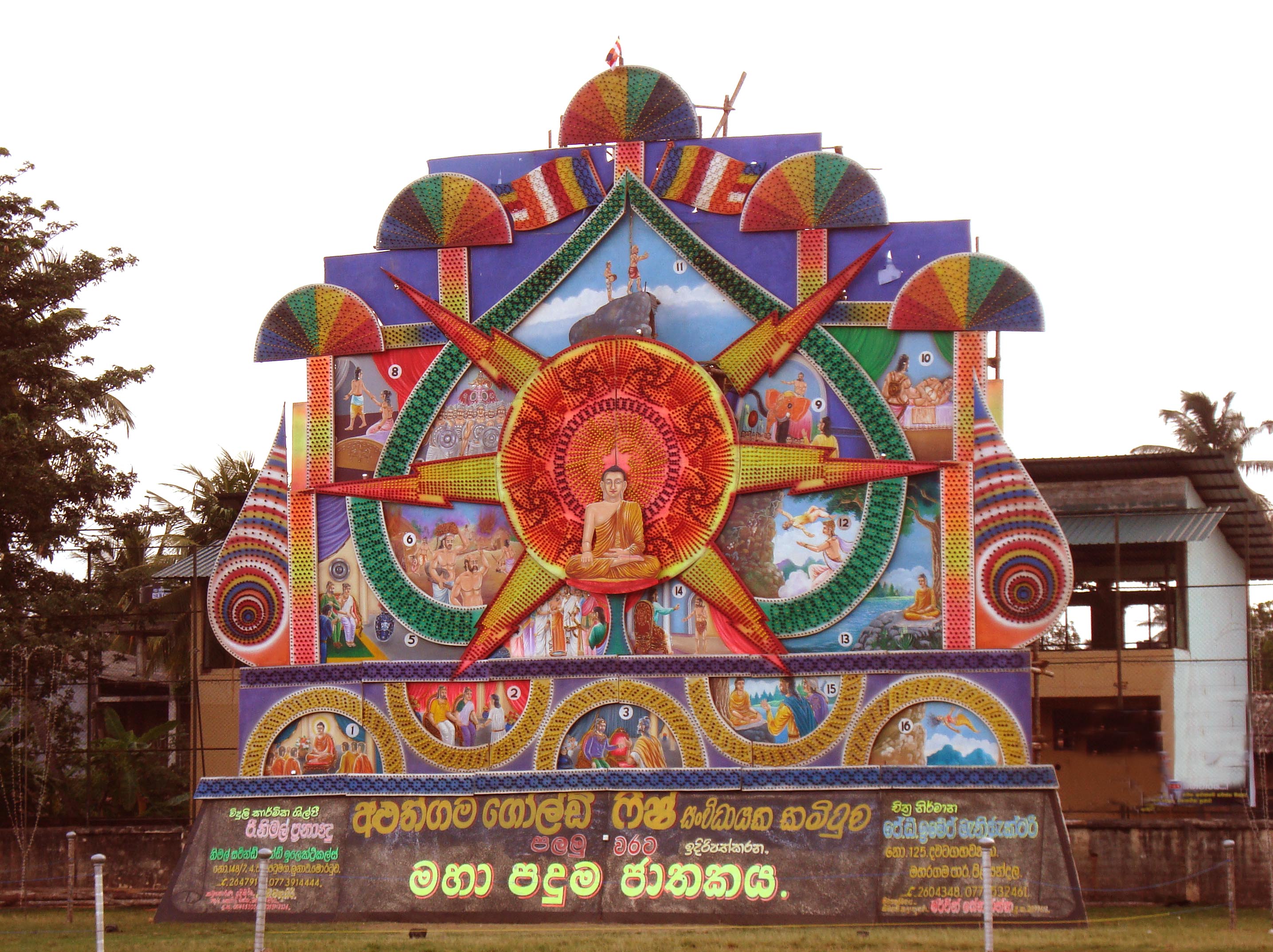
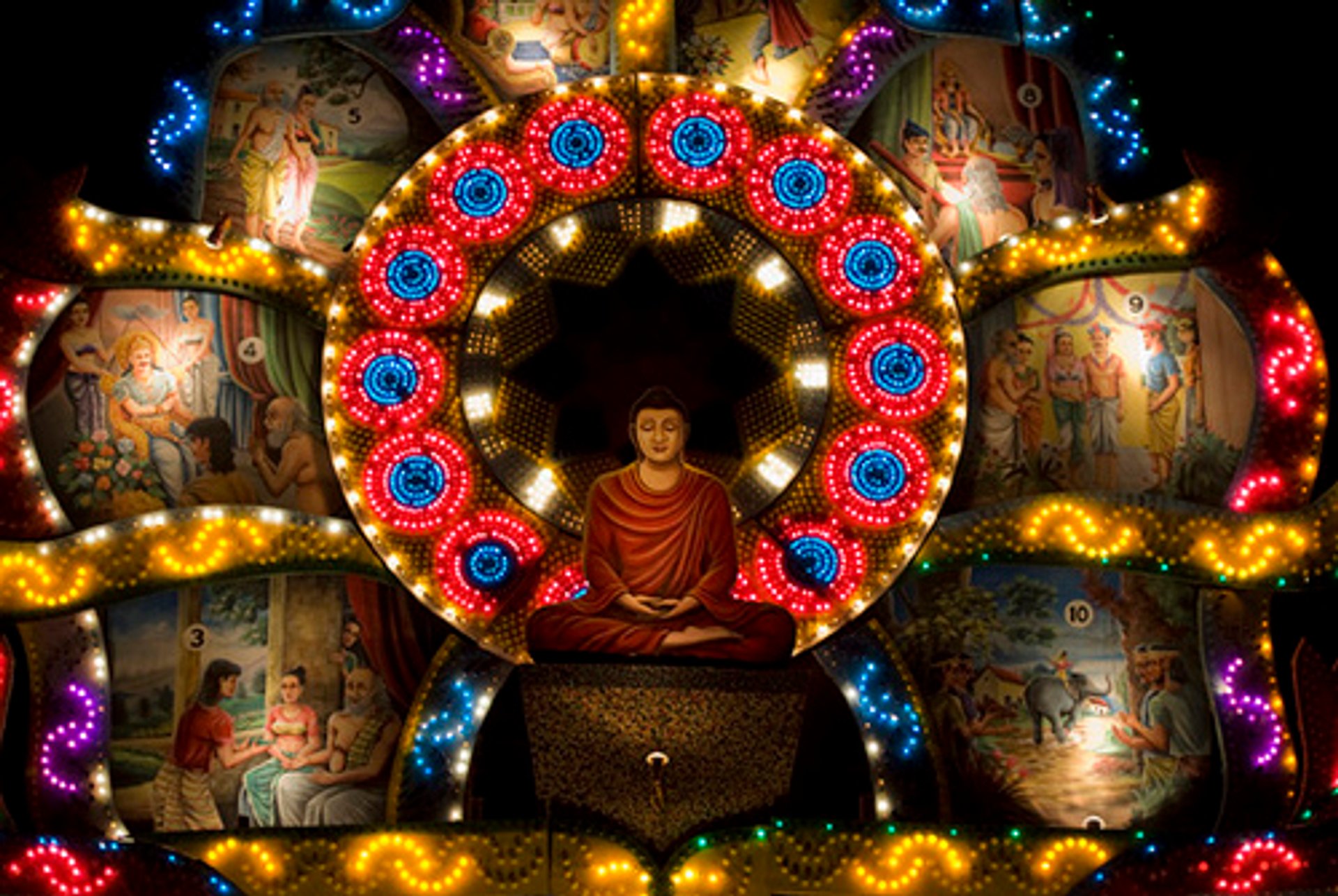
Time your visit with a festival and you’ll see the island at its most vibrant.
Sinhala & Tamil New Year (April 13–14)
- Milk boiling ritual for prosperity
- Sharing sweets
- Visiting relatives
- Traditional games
Vesak (May)
Lanterns illuminate streets to mark the Buddha’s birth and enlightenment.
Poson (June)
Celebrates the arrival of Buddhism.
Expect late nights, loud crackers, and joyful gatherings.
9. Language Basics That Open Doors
Even a few words go far.
Sinhala:
- Ayubowan – Hello
- Bohoma sthuthi – Thank you
- Keeyada? – How much?
Tamil:
- Vanakkam – Hello
- Nandri – Thank you
English is common in tourist zones but less so in remote villages.
10. Responsible Tourism: Supporting Communities
Tourism fuels the economy—but it has complex effects.
Positive Impacts
- Income from crafts and homestays
- Preservation of traditions
- Improved infrastructure
Risks
- Rising land prices
- Seasonal income instability
- Cultural performances staged purely for cameras
How You Can Help
- Stay in family-run guesthouses.
- Pay fair prices.
- Reduce plastic waste.
- Listen more than you speak.
For deeper insights into ethical travel, you can explore resources from the UN World Tourism Organization, which promotes sustainable tourism globally.
Travel thoughtfully, and your journey strengthens communities rather than strains them.
FAQs About Sri Lankan Heritage and Culture
1. Is it safe to visit rural villages?
Yes. Rural communities are generally welcoming and safe. Use normal travel precautions.
2. What should I wear in villages?
Modest clothing covering shoulders and knees is recommended.
3. Can tourists join local festivals?
Often yes—especially New Year celebrations—but always follow local guidance.
4. Is bargaining acceptable?
Yes, but do it respectfully and avoid extreme low offers.
5. Are homestays comfortable?
Standards vary. Check reviews carefully before booking.
6. Do I need to speak Sinhala or Tamil?
No, but learning a few phrases enhances your experience greatly.
Conclusion: Beyond the Coastline
The beaches may draw you in—but the villages, temples, kitchens, and craft workshops will stay with you long after you leave.
When you step beyond the shore, you discover something deeper: resilience, warmth, spirituality, and community. That is the living essence of Sri Lankan Heritage and Culture.
And once you’ve experienced it, the island is no longer just a destination—it becomes a story you carry home.