Meta Description: Sri Lanka Southern Province photography offers stunning forts, surf bays, wildlife, and raw coastlines. Discover 15 unmissable photo spots, expert tips, best seasons, and gear advice for incredible shots.
Sri Lanka Southern Province photography is nothing short of magical. Packed into a relatively small area—covering Galle, Matara, and Hambantota districts—you’ll find colonial forts, golden beaches, dramatic surf, wildlife-rich national parks, colorful fishing harbors, and timeless village life. It’s a dream playground for photographers.
But here’s the catch: light changes quickly. Weather shifts fast. And the difference between an average snapshot and a portfolio-worthy image often comes down to timing, preparation, and perspective.
In this complete guide, you’ll discover 15 breathtaking photo spots, seasonal advice, cultural photography tips, monsoon opportunities, essential gear suggestions, and insider strategies to create images that go beyond Instagram clichés.
Let’s dive in.
Why Sri Lanka Southern Province Photography Is a Dream for Creators
Diverse Landscapes in a Compact Region
Few places in the world offer such variety within short driving distances. Within a couple of hours, you can move from Dutch colonial architecture to tropical surf bays, then to dry-zone wildlife landscapes.
You get:
- Colonial heritage in Galle Fort
- Surf culture in Weligama
- Remote beaches near Tangalle
- Wildlife safaris in Yala National Park
That’s why Sri Lanka Southern Province photography stands out—it’s incredibly dynamic.
Best Seasons for Photography (Dry vs Monsoon)
- December–March (Dry Season): Clear skies, stable weather, classic golden sunsets.
- May–September (Southwest Monsoon): Dramatic skies, powerful surf, fewer crowds.
- Inter-monsoon months: Lush greenery and beautiful diffused light.
For updated weather forecasts, you can monitor conditions via the official Sri Lankan meteorological service: https://www.meteo.gov.lk/
15 Unmissable Photo Spots in Sri Lanka’s Southern Province
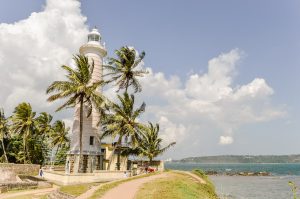
1. Galle Fort Ramparts & Lighthouse


Golden-hour silhouettes, leading lines along the stone walls, and ocean backdrops make this UNESCO-listed site iconic.
Best time: Sunrise for empty scenes; sunset for dramatic silhouettes.
2. Galle Fort Backstreets & Clocktower Corner


Narrow lanes, colonial facades, tuk-tuks, and textured walls provide strong street photography potential.
3. Unawatuna Beach & Japanese Peace Pagoda


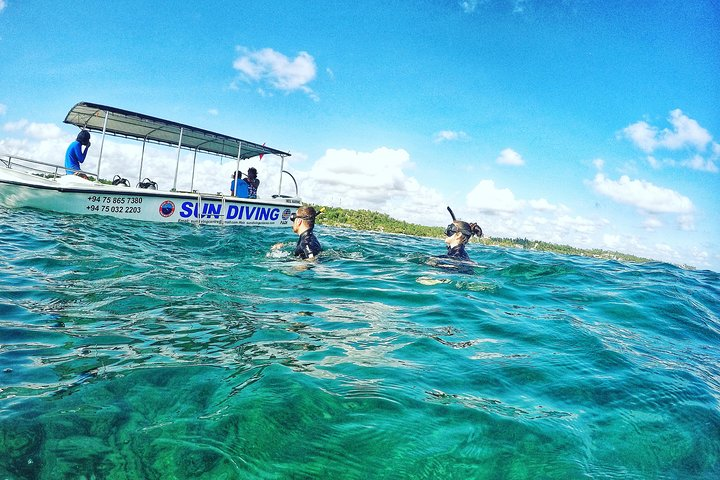
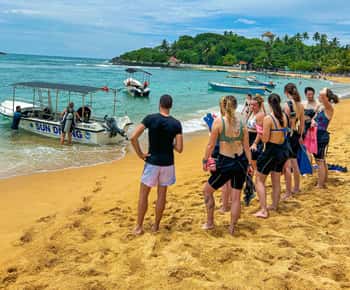
Calm morning waters and layered compositions make this a must-shoot location.
4. Jungle Beach


A compact cove perfect for drone-style compositions and turquoise water contrasts.
5. Koggala & Ahangama Stilt Fishermen


One of Sri Lanka’s most famous images—though often staged today.
Tip: Pay respectfully if photographing posed sessions.
6. Weligama Bay


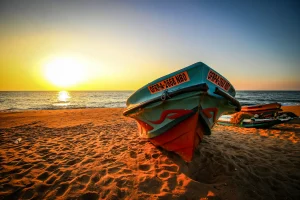
Surf action, fishing boats, and curving bay compositions.
7. Mirissa Harbour


Vivid colors and repeating patterns make this ideal for detail shots.
8. Coconut Tree Hill


Arguably the most Instagrammed viewpoint in the south.
Reality check: Visit at sunrise to avoid crowds.
9. Secret & Wild Beach (Mirissa)


Moody, less-polished seascapes and dramatic wave shots.
10. Talalla Beach


Minimalist compositions and wide, empty shorelines.
11. Hiriketiya Bay


A surfer’s paradise with layered green headlands.
12. Dondra Head Lighthouse


Sri Lanka’s southernmost lighthouse offers peaceful compositions.
13. Polhena & Madiha Reef Coast


Reef pools, fishermen, and elevated surf viewpoints.
14. Tangalle & Rekawa Coast


Wide, dramatic, and often almost empty.
15. Yala National Park


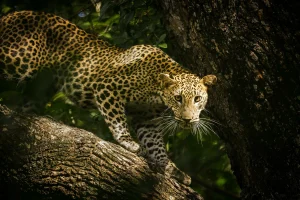
Elephants, crocodiles, peacocks—and if lucky, leopards.
Cultural & Local Life Photography Opportunities
Southern Sri Lanka is rich in daily life scenes:
- Morning fish markets in Galle and Matara
- Nets being repaired on beaches
- Temple rituals and full moon ceremonies
- Coastal train lines cutting through palm groves
Walk slowly. Use small gear. Blend in.
Ethical Photography & Respectful Portrait Tips
- Always ask before close portraits.
- Pay fairly where photography is commercialized.
- Respect temple rules.
- Avoid flash around wildlife and turtles.
- Share images when possible.
Authenticity matters more than likes.
Monsoon Season Photography: Hidden Advantages
The monsoon can be your secret weapon.
You’ll get:
- Massive storm clouds
- Fewer tourists
- Moody wave action
- Rich green landscapes
Bring rain covers and patience—post-storm light can be spectacular.
Essential Camera Gear for Southern Sri Lanka
Recommended Kit:
- Wide-angle (16–35mm)
- Standard zoom (24–70mm)
- Telephoto (70–200mm+)
- Circular polarizer
- ND filters
- Lightweight tripod
- Weather protection
Keep it light, but versatile.
Instagram vs Reality: How to Capture Unique Shots
Let’s be honest—many iconic spots are crowded.
To stand out:
- Shoot at unconventional times.
- Focus on micro-details.
- Use longer lenses for compression.
- Explore one beach further than the popular one.
- Embrace rain and imperfection.
That’s where Sri Lanka Southern Province photography truly shines.
Frequently Asked Questions
1. What is the best month for photography in Southern Sri Lanka?
December to March offers stable weather and clear sunsets.
2. Is the monsoon bad for photography?
Not at all. It creates dramatic skies and fewer crowds.
3. Are stilt fishermen authentic?
Some still fish traditionally, but many sessions are staged for tourism.
4. Do I need a drone?
Optional—but useful for bays like Hiriketiya and Talalla.
5. Is wildlife photography good in Yala?
Yes, especially during dry months when animals gather at waterholes.
6. Is Sri Lanka safe for photographers?
Generally yes—locals are warm and welcoming. Always use common sense.
Conclusion: Turning Moments into Masterpieces
Sri Lanka Southern Province photography isn’t just about ticking off famous spots. It’s about light, timing, respect, and storytelling.
From colonial ramparts to surf-lined bays and elephant-filled savannahs, the Southern Province offers endless creative potential. If you approach it thoughtfully—embracing seasons, respecting culture, and seeking fresh angles—you won’t just collect images.
You’ll create stories worth telling.