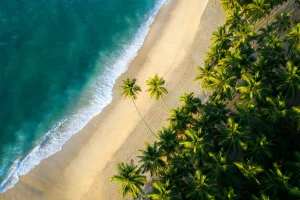
Meta Description: Discover the ultimate Galle Fort Travel Guide with history, walking routes, sunset spots, cafés, shopping, beaches, and FAQs. Plan your perfect visit today!
Introduction to Galle Fort Travel Guide
If you’re dreaming of walking through centuries of history while enjoying ocean views and golden sunsets, this Galle Fort Travel Guide is exactly what you need. Located in southern Sri Lanka, Galle Fort is not just a heritage site—it’s a living, breathing neighborhood wrapped in thick coral-stone walls.
Recognized by UNESCO in 1988 as the “Old Town of Galle and its Fortifications,” this coastal fortress blends European colonial architecture with South Asian traditions in a way few places can. Today, it remains home to Sinhalese, Tamil, Moor, and Burgher communities, along with boutique hotels, charming cafés, art galleries, and cultural landmarks.
Let’s step back in time—and forward into one of Sri Lanka’s most magical destinations.
Why Galle Fort Is So Special


UNESCO World Heritage Recognition
In 1988, UNESCO officially inscribed Galle Fort as a World Heritage Site. Why? Because it represents the finest example of a fortified European-built city in South Asia.
Unlike many preserved heritage sites that feel frozen in time, Galle Fort remains alive. People live inside the walls. Children walk to school. Shopkeepers open their doors every morning. The fusion of Dutch grid planning, Portuguese military foundations, and British additions creates a fascinating architectural mix.
You’re not just visiting ruins—you’re stepping into a functioning historical town.
A Brief History of Galle Fort
Portuguese Beginnings (1588)
The Portuguese built the first fortification here in 1588. It was small and strategic, designed to protect their spice trade.
Dutch Expansion and Star-Shaped Design
In 1640, the Dutch captured the fort and rebuilt it into the impressive star-shaped fortress we see today. Thick ramparts, bastions, and wide defensive walls were constructed using coral stone and granite.
British Colonial Additions
The British took control in 1796. They added the iconic clock tower and modified entrances while maintaining much of the Dutch layout.
Each colonial power left a footprint—and that layered history is what makes this place so compelling.
When to Visit Galle Fort
Best Time of Year
December to April offers the most reliable sunshine and calmer seas along Sri Lanka’s south coast.
Best Time of Day
- Early morning: Soft light and fewer crowds
- Late afternoon: Cooler temperatures
- Sunset: Absolutely magical
Midday? Let’s be honest—it can be scorching on those stone walls!
How to Get to Galle Fort from Colombo
Train Journey Along the Coast
The coastal train from Colombo Fort to Galle takes about 2–3 hours and offers stunning ocean views.
Bus Options
Budget-friendly but less comfortable. Expect around 3+ hours of travel time.
Southern Expressway by Car
Driving via the expressway takes 1.5–2 hours, depending on traffic.
The Perfect Walking Route in Galle Fort


Exploring on foot is the best way to experience the fort. A 3–4 km loop covers major highlights.
Clock Tower & Main Gate
Start at the British-built Clock Tower (1883). It’s your orientation point and offers views of the cricket stadium below.
Northern Ramparts & Bastions
Walk toward Sun and Moon Bastions overlooking Galle Harbour.
Dutch Reformed Church
The historic Dutch Reformed Church features gravestone-paved floors and a beautifully carved pulpit.
Museums & Old Gate
Visit the National Maritime Museum to explore shipwreck artifacts and maritime history.
Pedlar Street & Inner Lanes
Boutiques, galleries, cafés—this is shopping heaven inside colonial houses.
Lighthouse & Flag Rock
End at the iconic Galle Lighthouse, perched on Point Utrecht Bastion.
Must-See Attractions in Galle Fort
Galle Lighthouse

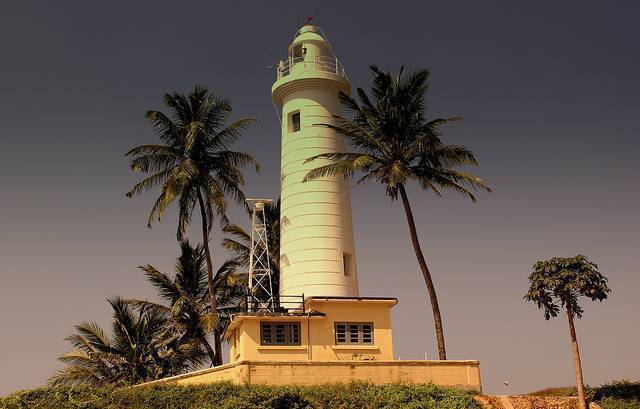


Built in 1939, this white lighthouse marks the entrance to Galle Harbour. It’s the most photographed landmark in the fort—and for good reason.
Ramparts & Bastions
Walk along:
- Moon Bastion
- Sun Bastion
- Flag Rock Bastion
- Triton Bastion
Each offers unique ocean views.
Old Dutch Hospital
The beautifully restored Old Dutch Hospital now hosts restaurants and boutiques.
Shopping in Galle Fort
Pedlar Street is the heart of boutique shopping.
Expect:
- Handcrafted jewelry
- Batik clothing
- Retro Ceylon prints
- Designer home décor
Prices are higher than elsewhere in Sri Lanka—but quality matches the cost.
Top Cafés & Restaurants
Mid-range favorites include:
- Church Street Social
- Pedlar’s Inn Café
- Lucky Fort Restaurant
Fresh seafood, Sri Lankan curries, and fusion dishes make dining here memorable.
Sunset Walk on the Ramparts
If you do only one thing—make it this.
Start near the lighthouse 30–45 minutes before sunset. Walk toward Flag Rock and Triton Bastions. The Indian Ocean glows gold. Locals gather. The air cools.
It’s pure magic.
Best Photography Spots
Top picks:
- Lighthouse at golden hour
- Flag Rock Bastion
- Pedlar Street facades
- Clock Tower at sunrise
Go early for fewer crowds.
Day Trip vs Overnight Stay
Day Trip:
Perfectly doable in 6–8 hours.
Overnight Stay:
Highly recommended. The fort becomes peaceful after day-trippers leave. Sunrise and sunset both hit differently when you stay inside the walls.
Boutique hotels offer charming restored interiors with courtyard gardens and antique touches.
Nearby Beaches & Side Trips


- Unawatuna Beach – Calm waters and beach bars
- Jungle Beach – Quiet snorkeling spot
- Dalawella – Famous palm rope swing
- Hikkaduwa – Surf and nightlife
All within 15–30 minutes.
Cultural Events & Festivals
The renowned Galle Literary Festival attracts international authors and thinkers each year.
Other celebrations include:
- Sinhala & Tamil New Year (April)
- Vesak (May full moon)
Check official tourism updates for event dates.
For more travel updates, visit the official Sri Lanka Tourism site: https://www.srilanka.travel/
FAQs About Galle Fort Travel Guide
1. Is Galle Fort worth visiting?
Absolutely. It’s one of Asia’s best-preserved colonial forts and offers history, food, and ocean views in one compact area.
2. How long should I spend in Galle Fort?
At least one full day. Overnight is even better.
3. Is Galle Fort safe?
Yes, it’s considered very safe for tourists.
4. Do I need a guide?
Not necessary, but guided tours add historical depth.
5. Is there an entrance fee?
Walking around the fort is free; museums charge small fees.
6. What should I wear?
Light clothing, sunscreen, hat, and comfortable walking shoes.
Conclusion
This Galle Fort Travel Guide proves one thing: few places allow you to walk through centuries of history while watching the sun melt into the Indian Ocean.
From Portuguese foundations to Dutch ramparts and British clock towers, Galle Fort is a layered masterpiece. Add boutique hotels, artisan shopping, oceanfront dining, and nearby beaches—and you’ve got a destination that blends heritage with modern charm.
So pack your camera, lace up your walking shoes, and prepare to wander. Galle Fort isn’t just a place you visit—it’s a place you feel.