Meta Description: Ruwanweli Maha Seya is one of the most sacred Buddhist stupas in the world. Discover its history, architecture, rituals, travel tips, and how to experience this iconic white dagoba in Anuradhapura.
Introduction to Ruwanweli Maha Seya
In the heart of Sri Lanka’s ancient capital stands Ruwanweli Maha Seya, a gleaming white monument that rises against the tropical sky like a symbol of purity and faith. Located in the Sacred City of Anuradhapura, this magnificent stupa is not just an architectural wonder—it is a living center of Buddhist devotion.
Recognized as part of the Sacred City of Anuradhapura, a UNESCO World Heritage Site, Ruwanweli Maha Seya draws thousands of pilgrims and travelers every year. For Buddhists, it is one of the most sacred places in the world. For visitors, it is a deeply moving spiritual experience.
But what makes this white dagoba so powerful? Let’s explore its history, meaning, and how you can experience it fully.
Historical Origins of Ruwanweli Maha Seya
King Dutugemunu and National Unity
Ruwanweli Maha Seya was commissioned in the 2nd century BCE by King Dutugemunu. After unifying the island by defeating King Elara, he sought to build a monument that would symbolize peace, devotion, and national harmony.
According to the ancient chronicle Mahavamsa, the king ensured that workers were paid fairly. This wasn’t forced labor—it was a shared act of merit. That detail alone reflects the spiritual spirit behind the construction.
Sadly, King Dutugemunu passed away before the stupa was fully completed. In a touching story, his brother, later King Saddhatissa, covered the unfinished dome with white cloth so the dying king could see what appeared to be the completed monument. It was an emotional moment in Sri Lankan history.
Sacred Relics of the Buddha
What truly elevates Ruwanweli Maha Seya is what lies within it. Chronicles state that two quarts (one dona) of the Buddha’s corporeal relics are enshrined here—the largest single collection anywhere.
This makes the stupa one of the most spiritually significant sites in global Buddhism. For devotees, walking around it is believed to generate immense merit.
Religious Significance in Buddhism
Solosmasthana and Atamasthana Importance
Ruwanweli Maha Seya is included in both the Solosmasthana (16 sacred places) and the Atamasthana (8 sacred sites in Anuradhapura). This dual status makes it a primary pilgrimage destination.
It sits near the revered Jaya Sri Maha Bodhi, believed to be grown from a sapling of the original Bodhi tree in Bodh Gaya.
Pilgrimage Traditions and Merit
Pilgrims dress in white and bring lotus flowers. They walk clockwise around the stupa, chanting and meditating. The act of circumambulation symbolizes respect and mindfulness.
On full moon days, known as Poya days, the atmosphere becomes electric with devotion. Thousands gather for chanting and offerings. It’s not just ritual—it’s heartfelt gratitude expressed through action.
Architectural Brilliance of the White Dagoba

Dome Structure and Symbolism
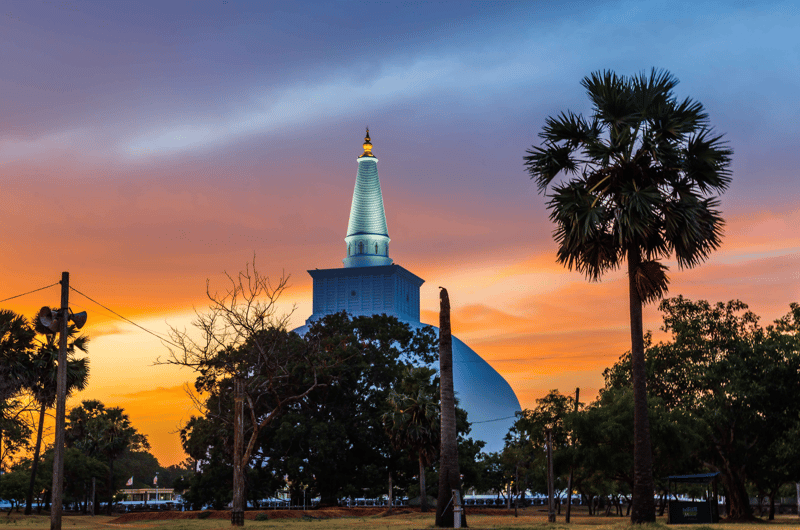
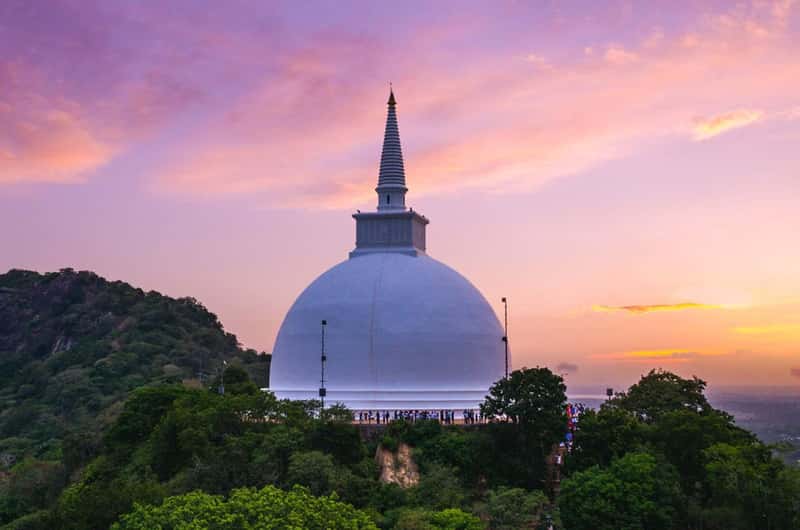
The stupa follows the classic bubble or bell shape (bubbulakāra). The original height was about 55 meters, but renovations have raised it to over 100 meters.
The dome represents the vastness of the Dhamma—the Buddha’s teachings—and the impermanence of life.
Elephant Frieze and Sacred Elements
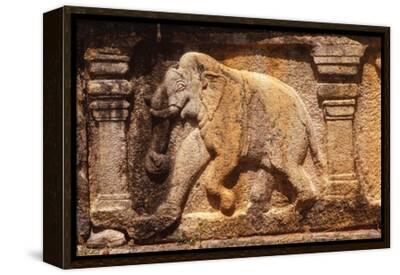
At the base, you’ll notice a continuous row of carved elephants. These symbolize guardianship and strength. Above the dome sits the harmika and a gold-plated pinnacle crowned ceremonially in 2019.
The pure white plaster reflects sunlight beautifully, especially at sunrise and sunset.
Engineering Marvel of the Foundation
Ancient builders used a layered foundation system—stone, clay, brick, and iron reinforcement—to distribute weight. It’s astonishing that this structure has survived for over two millennia.
Restoration and Preservation Efforts
By the 19th century, the stupa had deteriorated and was covered in jungle. A monk named Naranvita Sumanasara Thero led restoration efforts in the early 1900s.
In 1902, the Ruwanweli Seya Restoration Society was formed. Donations poured in, including a significant contribution from Hendrick Appuhamy.
Modern maintenance continues today to preserve the structure for future generations.
What to Expect During Your Visit
The courtyard is wide and open, with white sand pathways. Devotees in white carry lotus flowers. Soft chanting fills the air.
Vendors outside sell incense and offerings. You can easily walk to nearby sacred sites.
It feels peaceful—even for non-Buddhists. If you visit early morning, the atmosphere is especially calm.
Proper Etiquette and Dress Code
As an active place of worship:
- Shoulders and knees must be covered.
- Remove shoes before entering.
- Walk clockwise.
- Avoid loud conversations.
- Do not point your feet toward the stupa.
White clothing is appreciated but not required.
Best Time to Visit Ruwanweli Maha Seya
Sunrise and Sunset Experience
Early morning offers cool air and soft light. Sunset creates golden reflections on the white dome.
Midday can be extremely hot—plan accordingly.
Visiting on Poya Days
Poya days offer powerful spiritual immersion but expect large crowds. If you want quiet contemplation, choose a weekday.
Nearby Sacred Sites in Anuradhapura


Jaya Sri Maha Bodhi
One of the oldest documented trees in the world and a sacred pilgrimage center.
Jetavanaramaya and Abhayagiri
Explore massive ancient stupas like Jetavanaramaya and Abhayagiri Dagaba. Their scale is breathtaking.
Also visit Isurumuniya Vihara for its famous carvings.
Planning Your Anuradhapura Itinerary
One day is tight. Two days is ideal.
Day 1: Sacred core sites including Ruwanweli Maha Seya.
Day 2: Monastic complexes and outskirts.
Consider adding Mihintale at sunset.
Guided Tours vs Independent Exploration
Guided tours provide rich historical context. Independent travel allows freedom and flexibility.
A hybrid approach works best for many travelers.
Photography Guidelines
- Avoid flash near sacred spaces.
- Be respectful in posing.
- Ask permission before photographing monks.
- Drones usually require authorization.
How to Get to Anuradhapura
From Colombo:
- Train: 3.5–4 hours
- Bus: 5–6 hours
- Car: 3.5–4 hours
Official Sri Lanka Railways schedules can be found at https://eservices.railway.gov.lk.
Tickets, Entry Fees, and Practical Tips
Foreign visitors pay approximately USD 30–35 for the Sacred City pass.
Bring:
- Water
- Sunscreen
- Socks (for hot stone paths)
Opening hours generally run from 7:00 to 18:00 for ticket checkpoints.
FAQs About Ruwanweli Maha Seya
1. Why is Ruwanweli Maha Seya so important?
It houses one of the largest collections of Buddha relics and is central to Sri Lankan Buddhism.
2. Is there a dress code?
Yes. Shoulders and knees must be covered.
3. Can non-Buddhists visit?
Absolutely. Respectful visitors of all backgrounds are welcome.
4. How long should I spend here?
At least 1–2 hours for a meaningful experience.
5. Is photography allowed?
Yes, but follow respectful guidelines.
6. What is the best time to visit?
Early morning or late afternoon for cooler weather and beautiful lighting.
Conclusion: A Living Monument of Devotion
Ruwanweli Maha Seya is far more than a historical monument. It is a living, breathing center of faith where ancient architecture, sacred relics, and heartfelt devotion come together.
Whether you come as a pilgrim or a traveler, the experience leaves a mark. The white dome against the Sri Lankan sky isn’t just a structure—it’s a symbol of peace, gratitude, and timeless spiritual aspiration.
Visit with respect, patience, and an open heart. You won’t just see history—you’ll feel it.