
Meta Description: Gentle Giants of Paradise: Your Complete Guide to Elephant Experiences in Sri Lanka reveals how to enjoy unforgettable elephant encounters while supporting ethical tourism and real conservation.
Sri Lanka is one of the best places on Earth to see wild Asian elephants. But behind the postcard images lies a complex reality. Tourism, conservation, and human–elephant conflict are deeply connected. That’s why Gentle Giants of Paradise: Your Complete Guide to Elephant Experiences in Sri Lanka is more than a travel article—it’s a roadmap for responsible adventure.
If you dream of seeing elephants roaming free across golden grasslands or nurturing orphaned calves back to health, this guide will show you how to do it ethically, thoughtfully, and impactfully.
1. Understanding Ethical Elephant Tourism
Ethical elephant tourism starts with one simple idea: elephants should live as naturally as possible. Human interaction must never override animal welfare.
Core Principles of Responsible Wildlife Encounters
Ethical operators follow these non-negotiables:
- No riding
- No circus tricks or painting shows
- No forced bathing sessions
- Limited human contact
- Natural social groupings
- Conservation-first missions
Elephants are highly intelligent and emotional beings. Studies show they form lifelong family bonds and display grief, joy, and empathy. Any tourism model that ignores this complexity risks causing harm.
Why “No Riding” Matters
Elephant riding often requires harsh training methods. Saddles can injure their spines, and constant weight strains their muscles. Ethical tourism rejects these outdated practices entirely.
When in doubt, choose observation over interaction. Watching elephants behave naturally is far more rewarding than sitting on their backs.
2. Rehabilitation vs Entertainment: Knowing the Difference
Not every facility calling itself a “sanctuary” truly prioritizes welfare.
What True Sanctuaries Aim to Achieve
Authentic centers focus on:
- Rehabilitation
- Veterinary care
- Release into the wild (when possible)
- Education and research
Signs of Commercial Exploitation
Red flags include:
- Photo posing packages
- Elephants performing tricks
- Constant bathing sessions for tourists
- Limited transparency about elephant origins
If conservation isn’t clearly explained, it may not be the priority.
3. Udawalawe Elephant Transit Home – The Conservation Gold Standard


Located inside Udawalawe Elephant Transit Home, this government-run facility is widely respected by conservationists.
Established in 1995 by the Department of Wildlife Conservation Sri Lanka with support from the Born Free Foundation, its mission is clear: rehabilitate orphaned calves and release them back into the wild.
History and Mission
The center minimizes human contact to prevent dependency. Elephants are not trained for entertainment.
What Visitors Experience
Visitors observe feeding sessions from a raised platform about 8–10 meters away. No touching. No posing. No feeding by hand.
The calves live in natural enclosures connected to Udawalawe National Park, encouraging wild behavior.
Why It’s Considered Ethical
- Clear release goal
- Limited interaction
- Transparency about funding
- Education on human–elephant conflict
If you choose only one semi-captive experience, this is often considered the most responsible option.
4. Pinnawala Elephant Orphanage – A Controversial Attraction


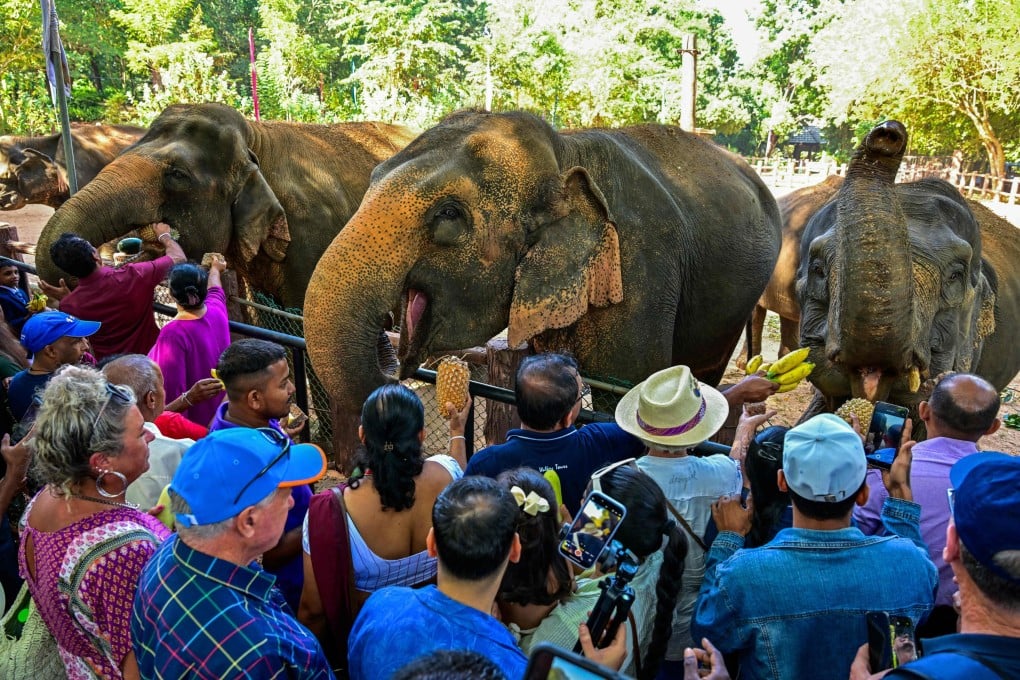
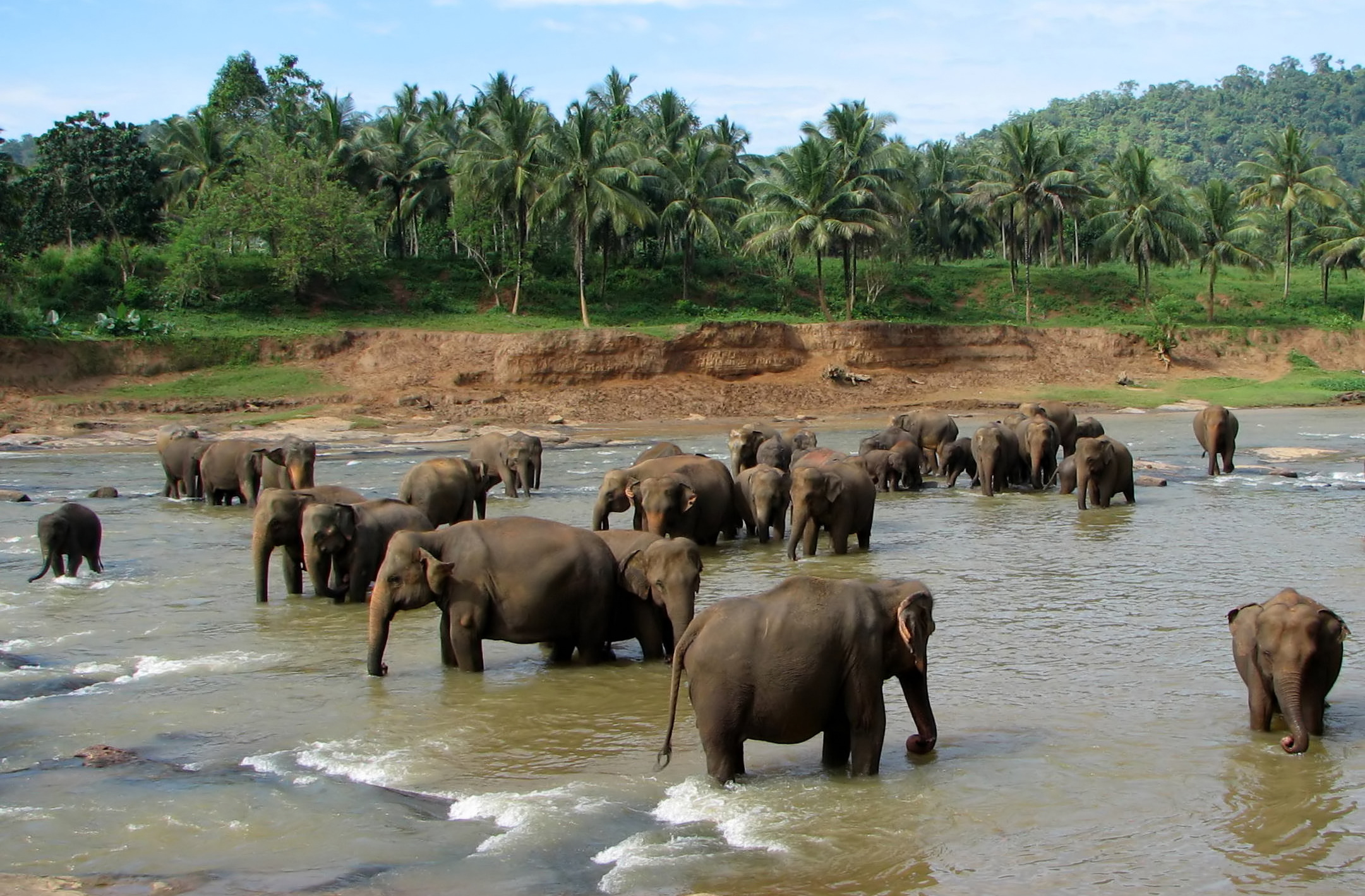
The famous Pinnawala Elephant Orphanage was established in 1975. It provides long-term care for elephants unable to survive in the wild.
Welfare Concerns
Recent reports raise concerns about:
- Extended chaining
- Stress behaviors like repetitive swaying
- Frequent tourist photo sessions
- Adult bulls tethered for long periods
Animal welfare groups argue that the facility needs reform to align with modern sanctuary standards.
Should You Visit?
If welfare is your priority, consider skipping Pinnawala. If you go:
- Avoid rides and photo posing
- Observe quietly from a distance
- Leave if you witness distress
5. Ethical Elephant Safaris in National Parks
Seeing elephants in the wild is often the most ethical and thrilling option.
Udawalawe National Park


Home to 400–500 elephants, Udawalawe National Park offers reliable sightings.
Expect:
- Large herds near reservoirs
- Open landscapes for clear views
- Fewer crowds than some parks
Choose operators who maintain distance and avoid chasing animals.
Yala and Wilpattu
Yala National Park is famous for leopards but also hosts elephants. However, jeep congestion can affect animal welfare.
Wilpattu National Park offers quieter experiences, though sightings are less predictable.
6. The Elephant Gathering at Minneriya


Each dry season, elephants converge at Minneriya National Park.
What Makes It Unique
- 200–400 elephants at once
- Social bonding behaviors
- Largest annual Asian elephant gathering
Best Time to Visit
- July–October
- Late afternoon safaris
- Base yourself in Habarana or Sigiriya
Respectful jeep behavior is critical here due to crowd density.
7. Human–Elephant Conflict in Sri Lanka
Sri Lanka has one of the highest human–elephant conflict rates globally.
Each year:
- 250–400 elephants die
- 70–100 people lose their lives
Causes include crop raids, train collisions, and habitat encroachment.
Understanding this context transforms your safari into something deeper—it’s not just wildlife viewing; it’s witnessing resilience.
8. Habitat Loss and Conservation Challenges
Forest cover has declined dramatically over the past century. Today, about 60% of elephants live outside protected areas.
Challenges include:
- Expanding agriculture
- Infrastructure development
- Migration route disruption
The government’s National Action Plan addresses fencing, coexistence programs, and corridor protection—but implementation remains inconsistent.
9. Ethical Photography and Visitor Behavior
Wildlife Photography Tips
- Use 200–400mm lenses
- Avoid flash
- Shoot during golden hours
- Stay seated in jeeps
Jeep Conduct Guidelines
- Maintain 30–40 meters distance
- Never block paths
- Avoid honking or engine revving
Great wildlife photography comes from patience—not pressure.
10. Supporting Conservation as a Traveler
Your money speaks loudly.
Choose:
- National park safaris with responsible guides
- Rehabilitation-focused centers
- Community-based homestays
Learn about coexistence projects and consider donating to verified NGOs.
11. How to Spot Green Flags and Red Flags
Green Flags
- No rides or tricks
- Minimal chaining
- Clear conservation mission
- Educational programming
Red Flags
- Bullhooks or rough handling
- Forced bathing routines
- Defensive responses to welfare questions
- Focus on selfies over science
Trust your instincts.
12. Sample Ethical Elephant Itinerary
Day 1–2: Minneriya Elephant Gathering
Day 3: Udawalawe safari
Day 4: Visit Elephant Transit Home
Optional: Carefully vetted sanctuary visit (if ethical standards verified)
This approach balances unforgettable experiences with genuine impact.
13. Frequently Asked Questions
1. Is elephant riding ethical in Sri Lanka?
No. Riding requires harmful training practices and physical strain.
2. What is the most ethical elephant experience?
Wild safaris or visiting Udawalawe Elephant Transit Home.
3. When is the best time to see elephants?
July–October for Minneriya; year-round in Udawalawe.
4. Are all sanctuaries ethical?
No. Always research independently.
5. How close should jeeps get to elephants?
At least 30–40 meters.
6. Can tourism help conservation?
Yes—when funds support rehabilitation, research, and communities.
For further reading on responsible wildlife tourism, visit the World Wildlife Fund’s wildlife tourism guidance: https://www.worldwildlife.org/
Conclusion
Gentle Giants of Paradise: Your Complete Guide to Elephant Experiences in Sri Lanka shows that unforgettable travel and ethical responsibility can go hand in hand.
Sri Lanka’s elephants are survivors—navigating shrinking forests, railway lines, and farmland. When you choose ethical safaris, rehabilitation-based centers, and respectful behavior, you help secure their future.
See them wild. See them free. And let your journey leave a legacy of compassion.